Pipeline Hydraulics & Compression Strategy
The pipeline is designed to flow 900 MMSCFD with no compression and up to 2,055 MMSCFD with four compressor stations added, using an upstream pressure of 3,000 psig and a delivery pressure of approximately 800 psig. Process simulation established the optimal pipe diameter and number of compressor stations, with a compression basis built on reciprocating compressors.
Hydrogen-Rated Pipe Materials & Route Scope
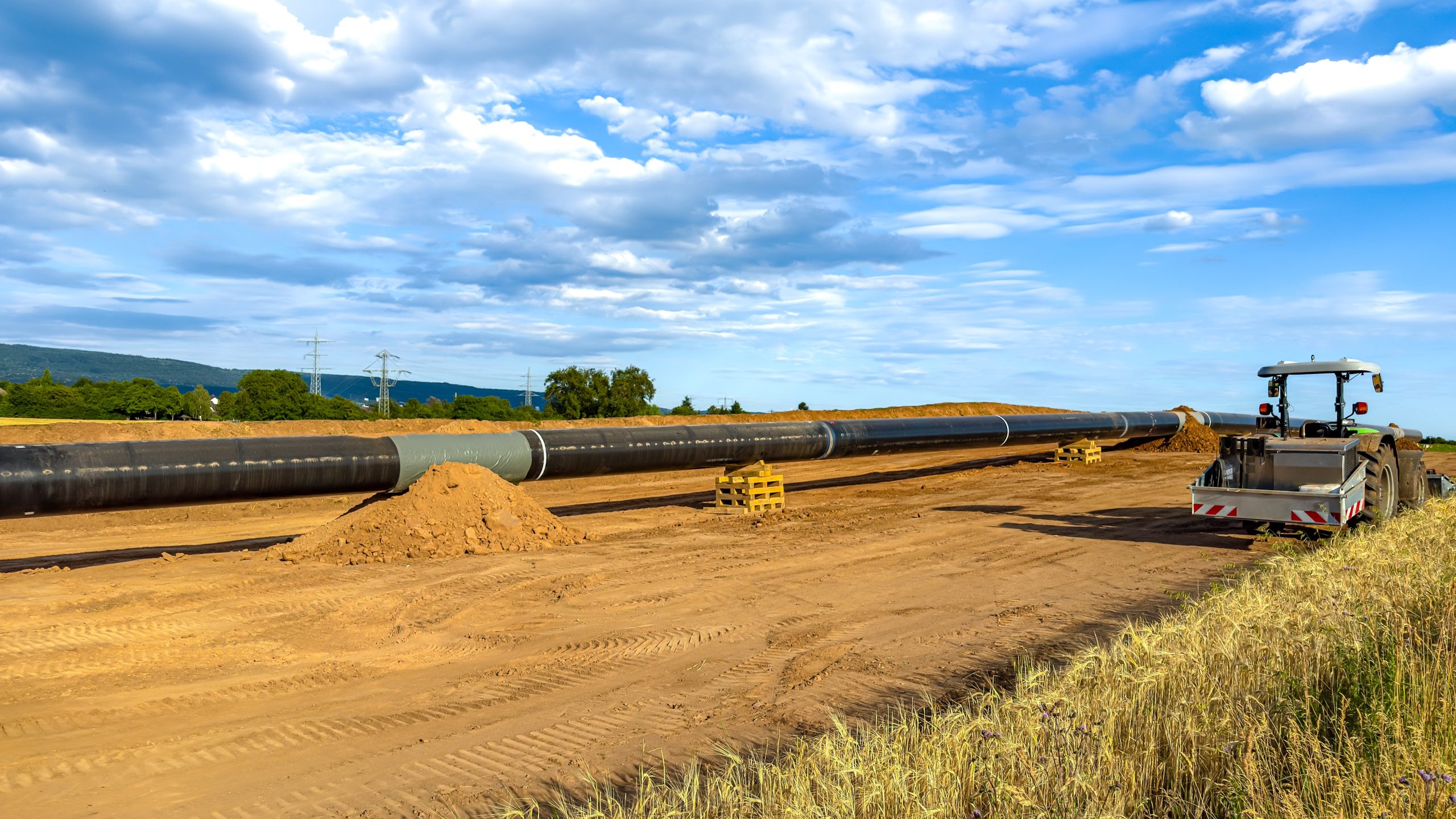
The pipe is specified as API 5L X60, Class 1,500, designed to the ASME B31.12 hydrogen piping code with material verification and toughness testing. Major scope elements included the pipeline itself, four compressor stations, six pig launchers and receivers, mainline valves at regular intervals, horizontal directional drilling crossings, cathodic protection, and a fusion-bonded epoxy coating system.
Addressing Hydrogen Embrittlement & Long-Distance Economics
ZAP’s front-end engineering scope covered route optioneering, hydraulic and process modeling, optimization of pipe diameter against installed compression horsepower, equipment sizing, and a total installed cost estimate at a budgetary accuracy level. The dominant technical challenge was hydrogen service at high pressure, addressed through the dedicated ASME B31.12 design code to manage hydrogen embrittlement, along with the low gas specific gravity driving careful velocity control across mountainous terrain.