Booster Compression & Gas Conditioning System
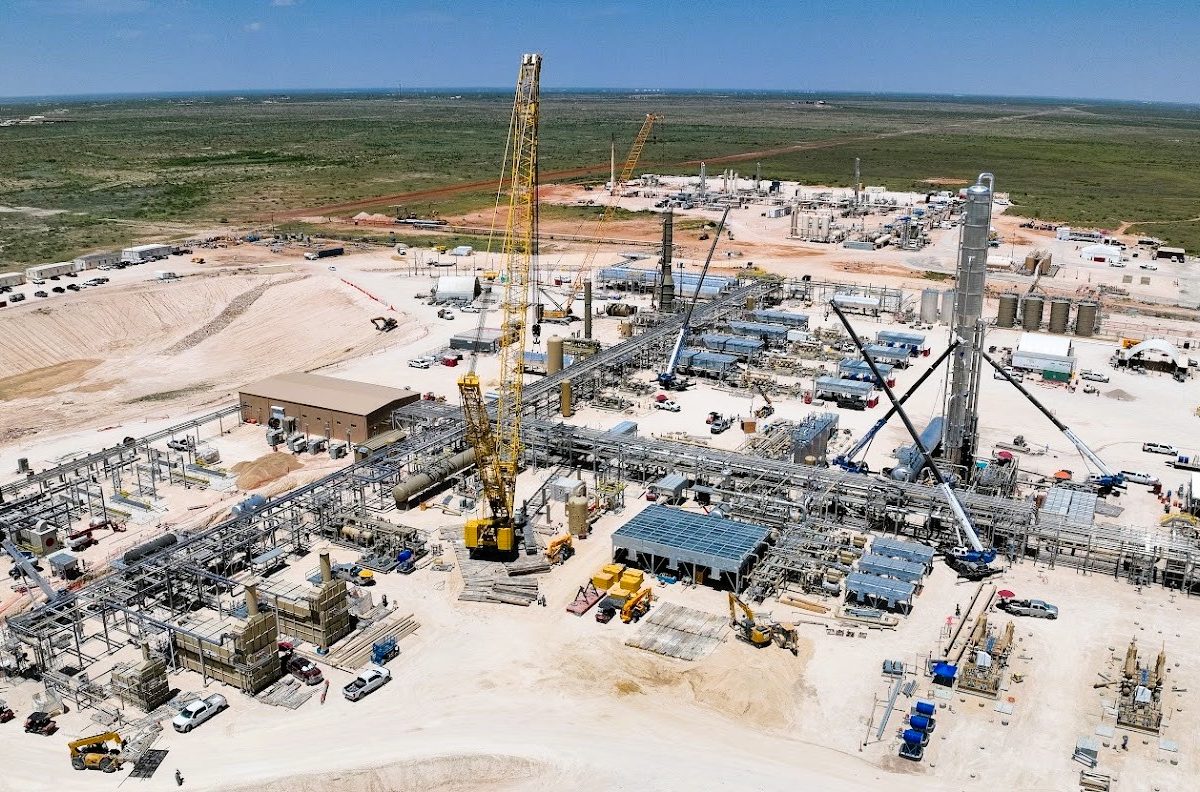
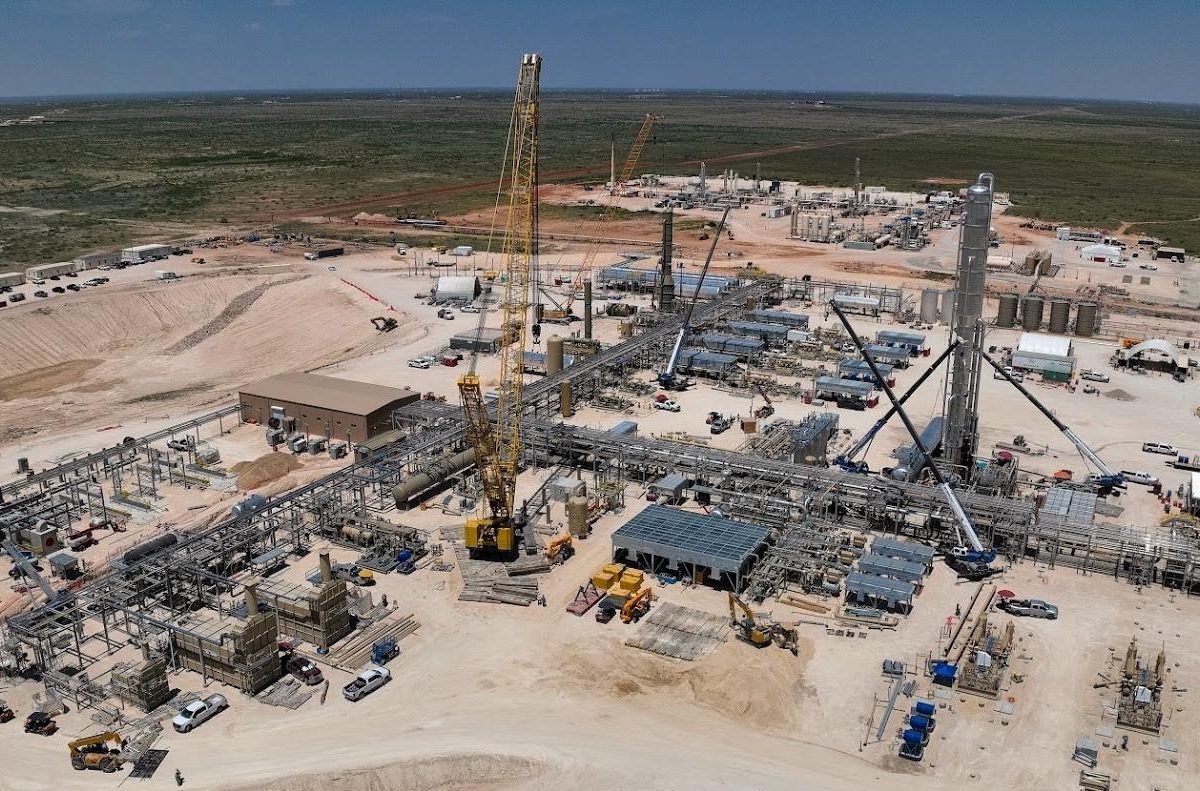
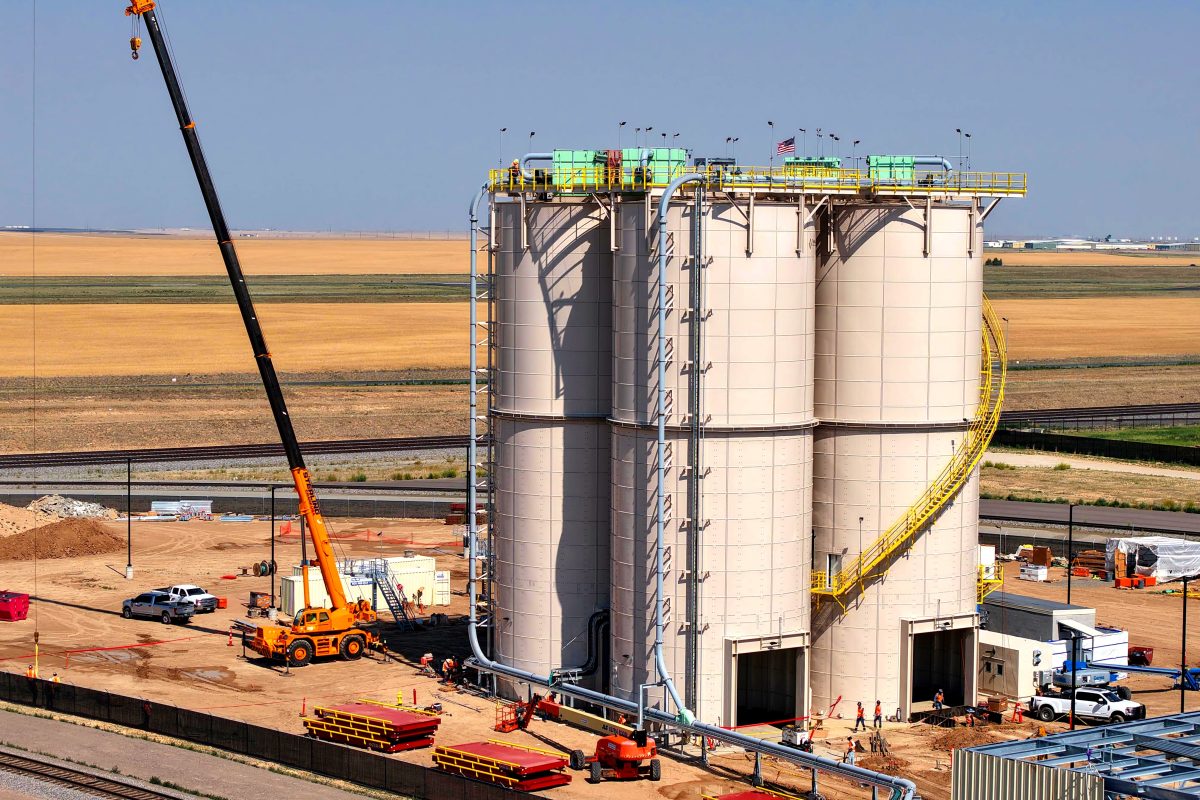
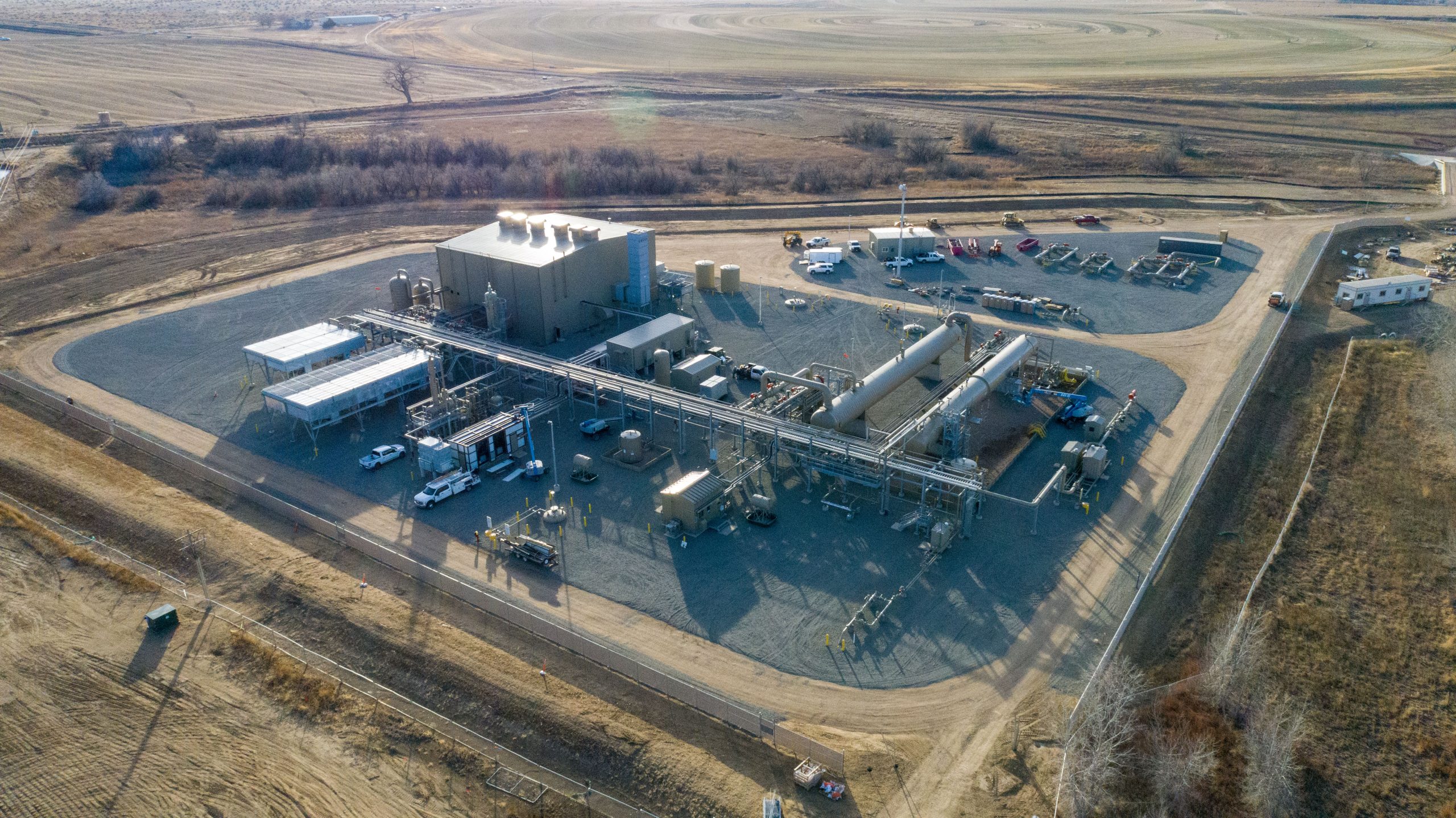
Inlet handling includes multiple pig receivers and a launcher, a 90,000-gallon slug catcher, and an inlet feed filter separator. Compression is provided by a low-NOx Solar Titan 130 gas-turbine-driven booster compressor in two stages with interstage and after-cooling and suction scrubbers. Gas conditioning uses a packaged triethylene glycol dehydration system with an electric-element reboiler, dehydrating gas to a 5 pound-per-million-standard-cubic-foot water specification. Liquids handling includes condensate storage and loadout and produced-water sump tanks with truck loadout, controlled through an Emerson DeltaV system with a standalone emergency shutdown and fire-and-gas detection system.
Emissions-Reduction System Design
The defining feature of the project is an emissions-reduction system that caps volatile organic compound and nitrogen oxide emissions by capturing compressor seal gas, packing vents, BTEX vapors, and automated blowdowns, routing them through a low-pressure vapor recovery header and a BTEX vapor-recovery system rather than venting or combusting them.
Full-Scope EPC Delivery in Challenging Site Conditions
ZAP engineered, procured, and delivered the station for construction across all six disciplines, addressing a stringent property-line noise limit and high-altitude, cold-climate design conditions, while reserving plot space for a future electric-drive compressor. The project demonstrates ZAP’s capability to execute a modern, low-emissions midstream compressor station on a full EPC basis.