Gas Treatment & Liquefaction Process
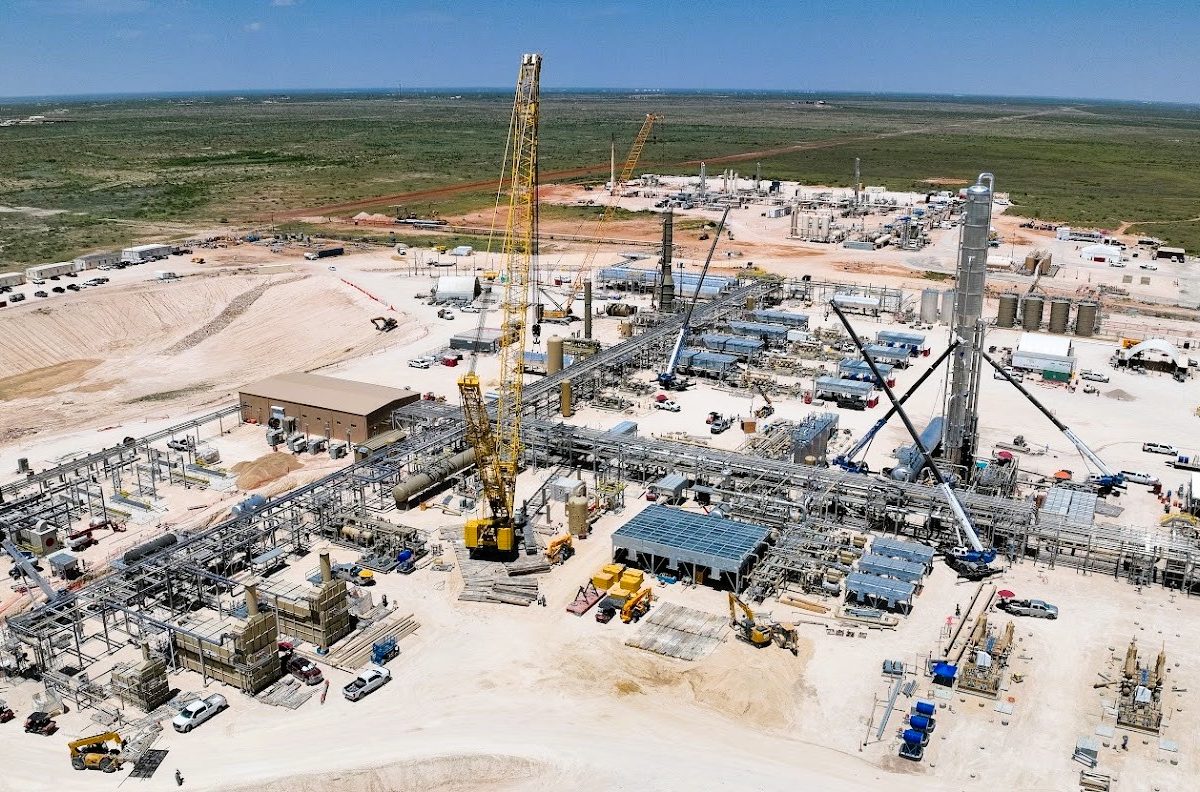
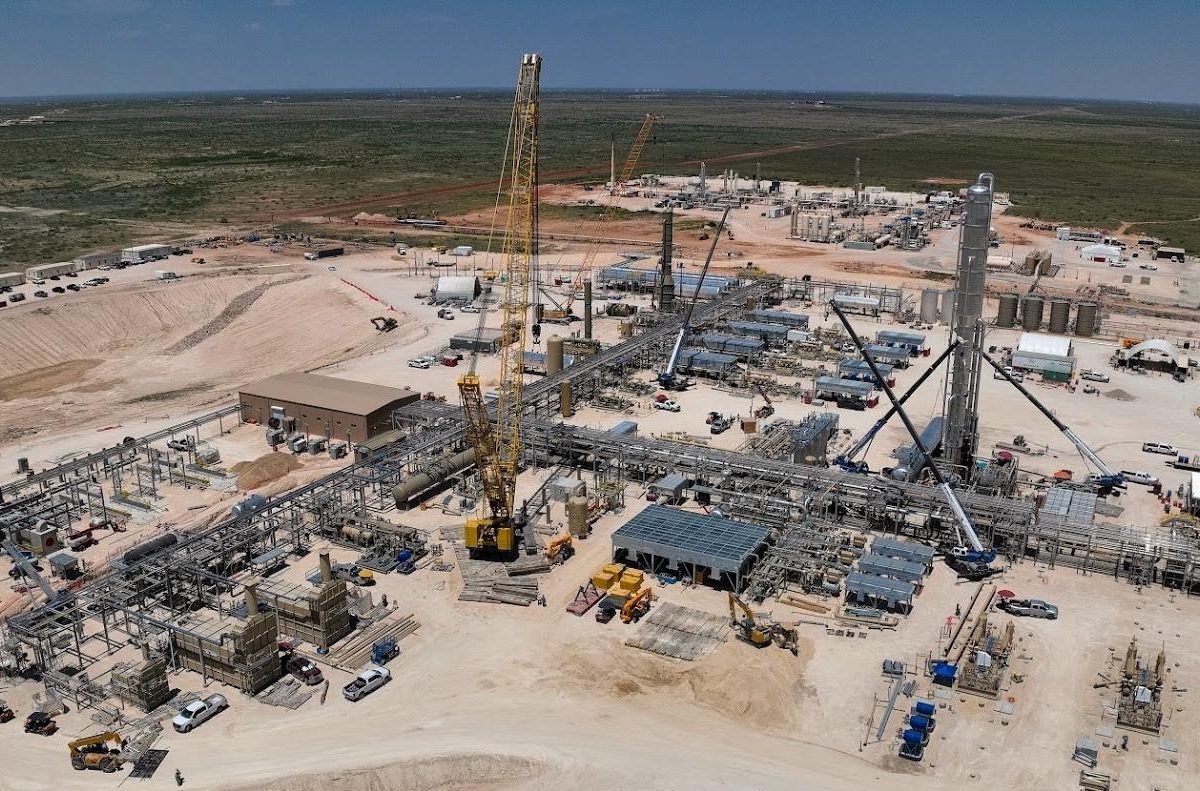
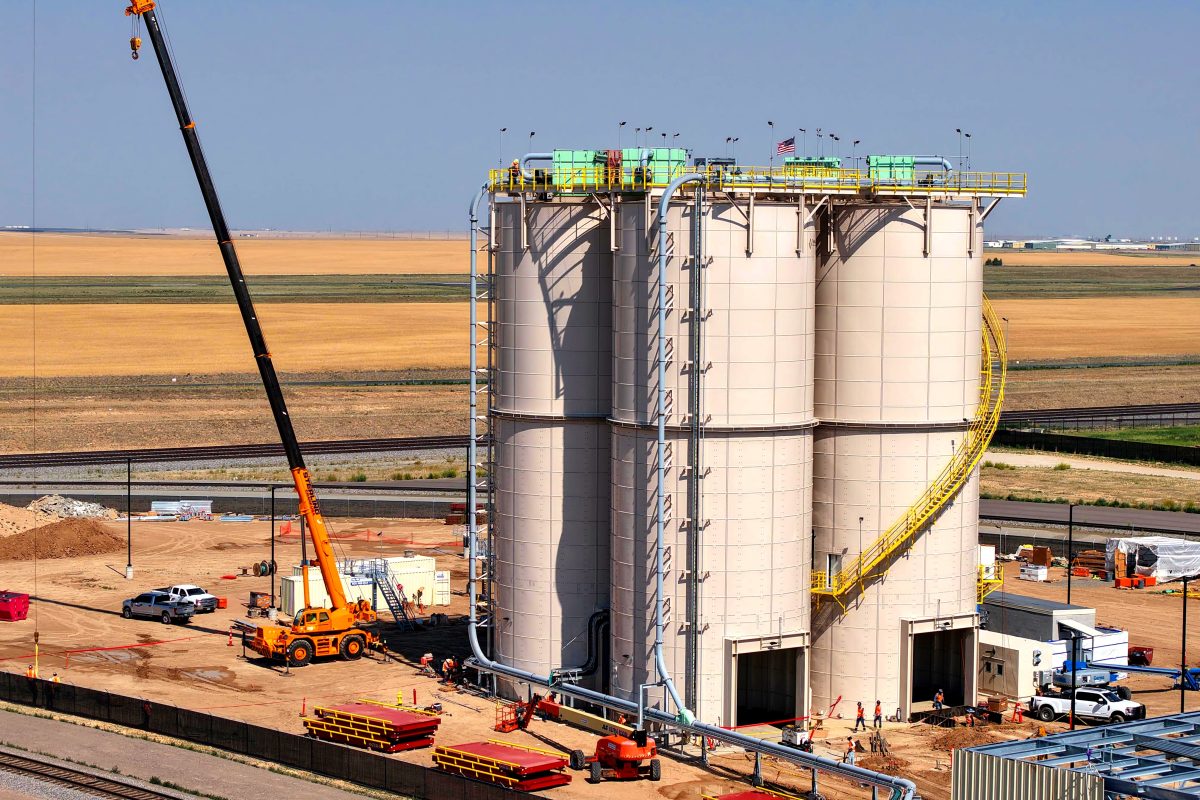
Inlet gas is treated in an amine unit to remove carbon dioxide and hydrogen sulfide, then dried in a two-bed molecular sieve dehydration unit before entering a liquefaction cold box that liquefies the gas to approximately minus 260 degrees Fahrenheit using a nitrogen refrigeration cycle driven by a gas turbine. Boil-off gas from storage and truck loading is recovered and recycled back into the process rather than flared or vented.
LNG Storage & Automated Truck Loading
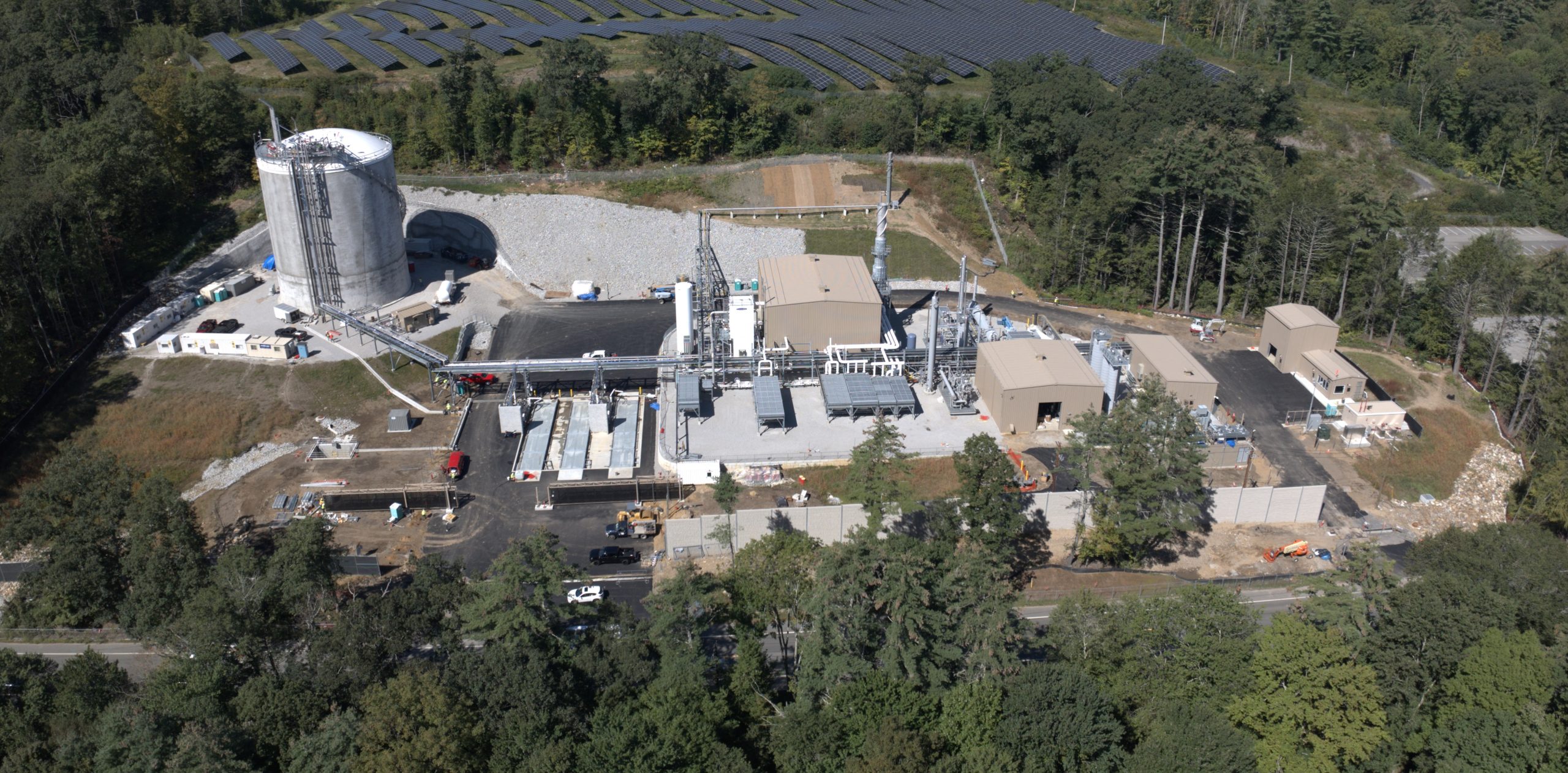
LNG is stored in a vertical, double-wall, full-containment 2-million-gallon tank with a stainless steel inner tank and a precast, prestressed-concrete outer wall serving as secondary containment. LNG is delivered to trucks through in-tank loading pumps and vacuum-jacketed piping across three fully automated loading bays equipped with truck scales.
Electrical Systems & Cryogenic Design Challenges
ZAP’s electrical scope included a utility interconnect, a main transformer, medium-voltage switchgear paralleled with turbine-driven generation, a boil-off-gas-fired backup generator, and an Allen-Bradley control and safety system with a ZAP-supplied fire-and-gas system and custody-transfer metering. Key technical challenges centered on cryogenic service requiring stainless steel, 9% nickel steel, and low-temperature piping classes, staged cold-box cooldown, hazardous-area electrical classification, and a demanding regulatory basis including federal LNG regulations, NFPA 59A, and state requirements.